ICETI 4 and JCI Davao Ecotone 2 Conclude with Renewed Commitment to a Sustainable Future
The University of Mindanao (UM), in partnership with Junior Chamber International (JCI Davao ), successfully concluded the Joint International Conference on Emerging Technologies (ICETI 4) and the International Conference for Interdisciplinary Science and Environmental Solutions (JCI Davao Ecotone 2) held on 29 April 2026 at the UM Matina Campus. Anchored on the theme “A Sustainable Future: Innovations Across People, Air, Water, and Land Through Science, Technology, and Global Partnerships,” the joint conference convened researchers, professionals, students, and sustainability advocates to advance solutions at the intersection of science, technology, and environmental stewardship.
The conference was organized through the combined efforts of UM’s research and academic units and JCI Davao, with program elements designed to strengthen interdisciplinary collaboration and accelerate real-world applications of research—particularly on sustainability, climate resilience, environmental health, and resource management.
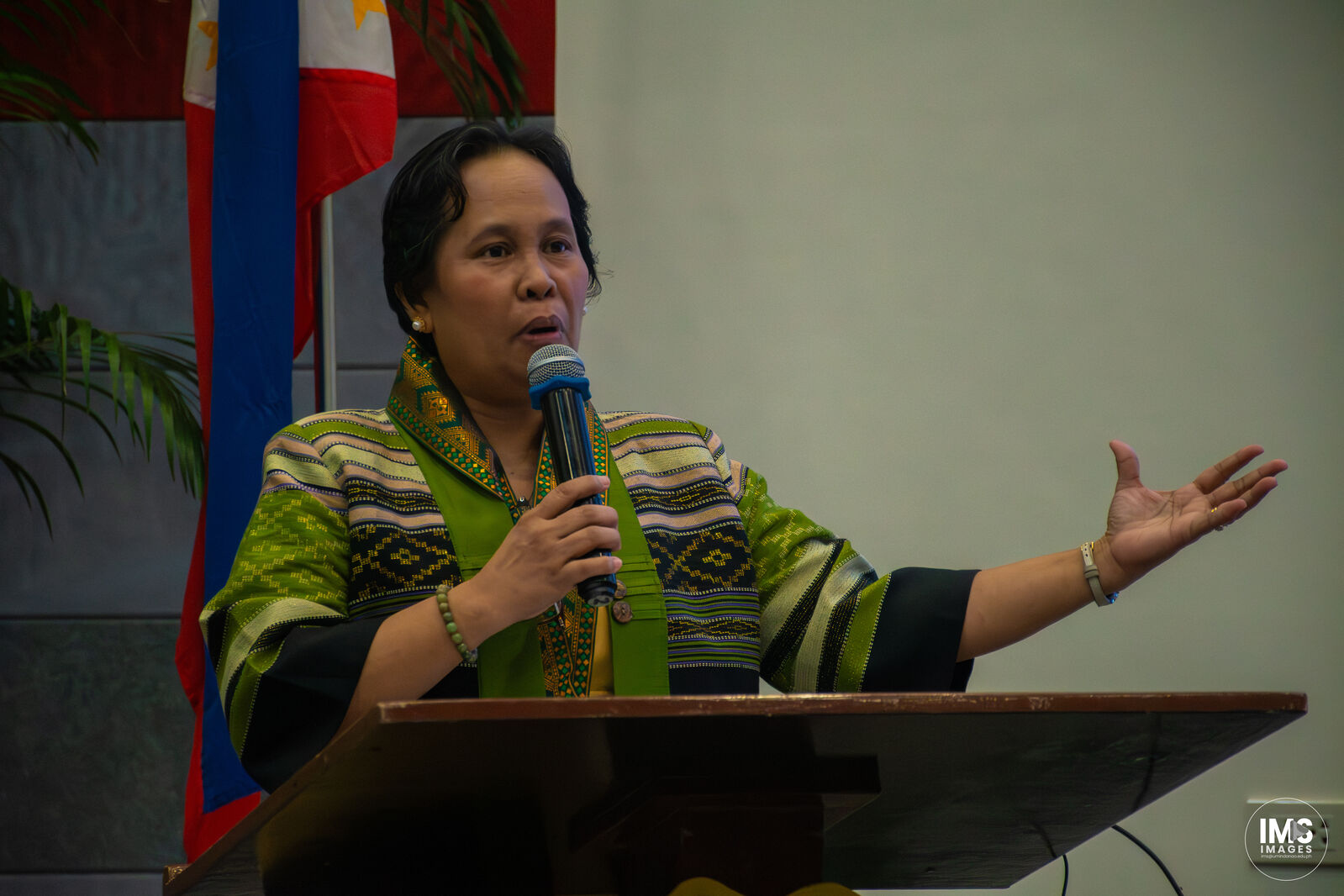
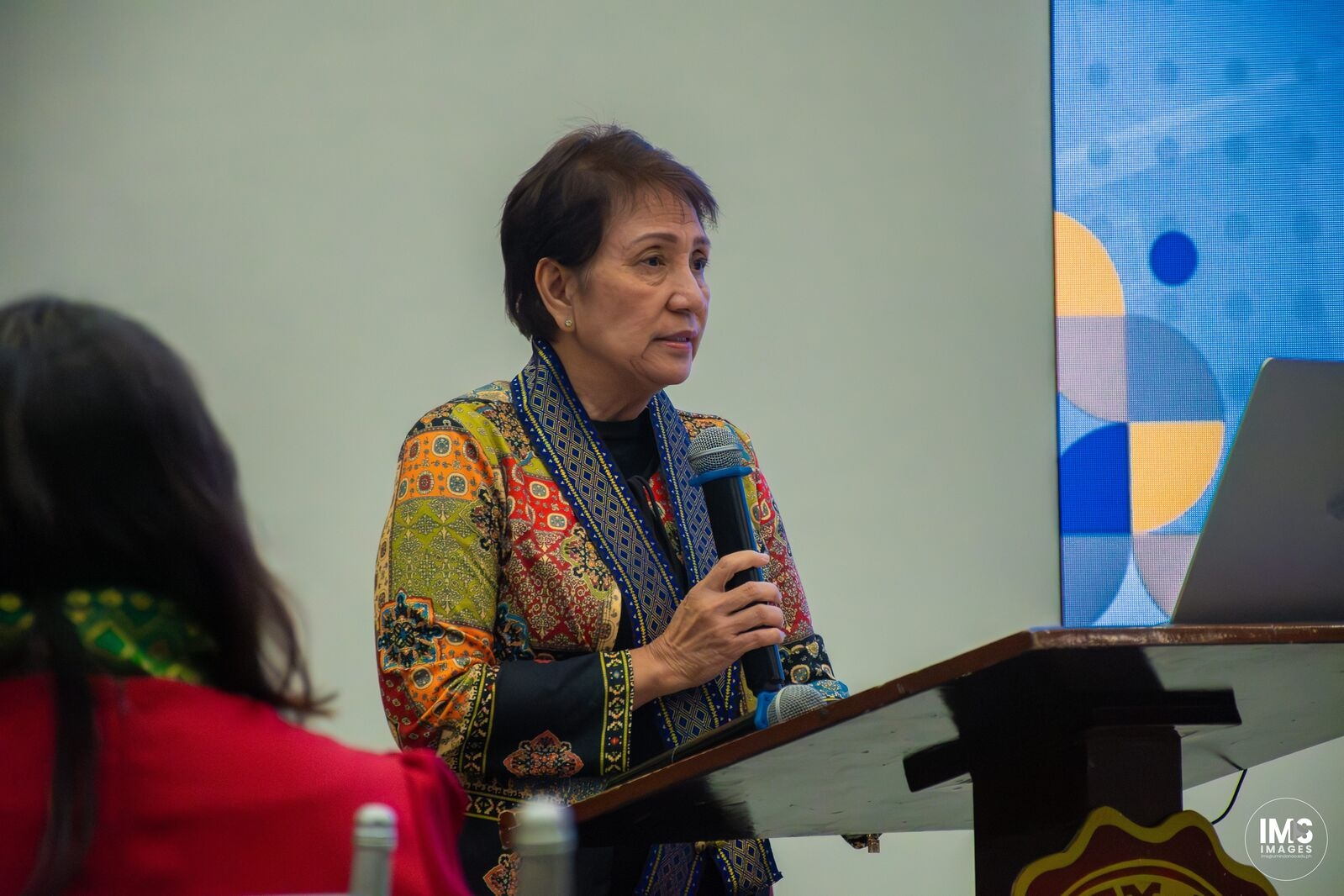
High-level plenaries highlight science-to-society pathways. The conference opened with institutional messages from UM leadership and JCI Davao, followed by a keynote address underscoring the importance of aligning science, community action, and leadership networks to deliver sustainable outcomes.
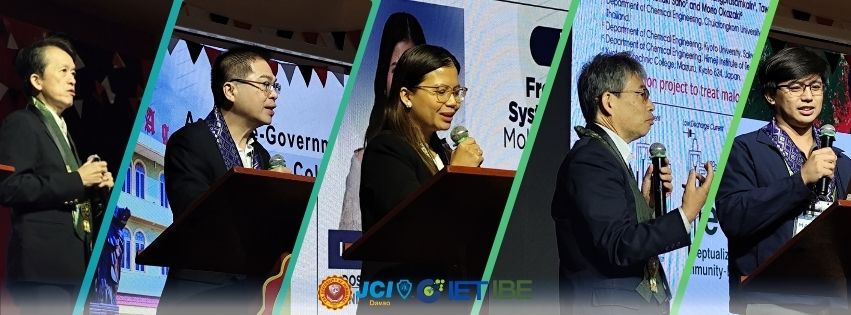
Plenary sessions featured diverse perspectives and research-driven pathways toward sustainability, including:
- Plenary Talk 1. Low-temperature CO₂ methanation and catalyst innovation as a contribution to advanced energy systems (Prof. Tawatchai Charinpanitkul, Chulalongkorn University).
- Plenary Talk 2. Academe–government–industry R&D collaboration as a driver for sustainability in food and wellness (Dr. Jonel P. Saludes, University of San Agustin).
- Plenary Talk 3. Translational health innovations spanning molecular mechanisms to scalable systems impacting people, air, water, and land (Dr. Lowela S. Onggo, DOST-PCHRD Balik Scientist, University of Mindanao).
- Plenary Talk 4. Electric-discharge techniques for environmental cleaning, nanomaterial synthesis, surface activation, and energy issues (Prof. Noriaki Sano, Kyoto University).
- Plenary Talk 5. Conceptualization to implementation of community-based science projects, emphasizing science that directly benefits communities (Mr. Marlon Suelto, University of the Philippines Mindanao).
These talks were complemented by a moderated Q&A and panel discussion, enabling participants to interrogate methods, policy implications, and implementation pathways for sustainability programs.
Parallel sessions strengthen interdisciplinary solutions. A key feature of the conference was its set of thematic parallel sessions, structured to align research outputs with practical challenges across environmental and human systems. Presentations addressed sustainability through the lenses of People, Water, Land, and Biodiversity, with moderated discussions that deepened technical exchange and encouraged interdisciplinary engagement.
By organizing dedicated tracks, ICETI 4 and Ecotone 2 reinforced the importance of integrated approaches that bridge emerging technologies with environmental and societal needs.
The program also included an awarding ceremony recognizing outstanding contributions in oral and poster presentations, highlighting excellence in research and innovation among participants.
Sustaining momentum after ICETI 4 and Ecotone 2. In closing the conference, university leadership underscored the importance of sustaining collaboration beyond the event, positioning the joint conference as a platform for continued partnerships, knowledge exchange, and science-driven solutions. Anchored on the conference’s thematic areas: People, Air, Water, Biodiversity, and Land; these efforts advance key United Nations Sustainable Development Goals (SDGs), including SDG 3 (Good Health and Well-Being) and SDG 11 (Sustainable Cities and Communities) for people-centered development; SDG 13 (Climate Action) for atmospheric and environmental resilience; SDG 6 (Clean Water and Sanitation) for sustainable water systems; and SDG 15 (Life on Land) for ecosystem protection and biodiversity conservation.
These are further strengthened by SDG 9 (Industry, Innovation and Infrastructure) and SDG 17 (Partnerships for the Goals), reflecting the University of Mindanao’s commitment to research-driven innovation and multi-sectoral collaboration in advancing sustainable and inclusive development.
#ICETI4 #Ecotone2 #Sustainability #SDGs #Research #Innovation #UMindanaoResearch #ScienceForImpact
Share this article

.png)
.png)