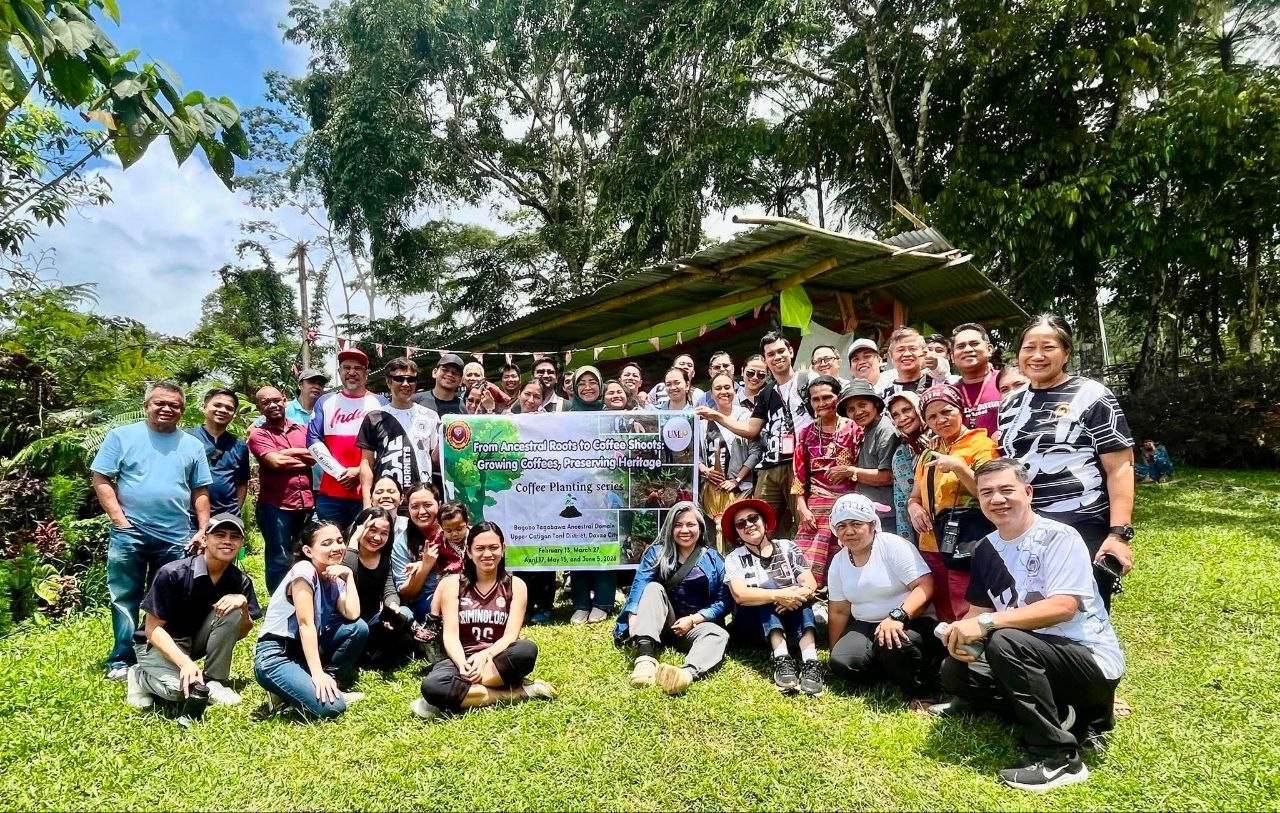
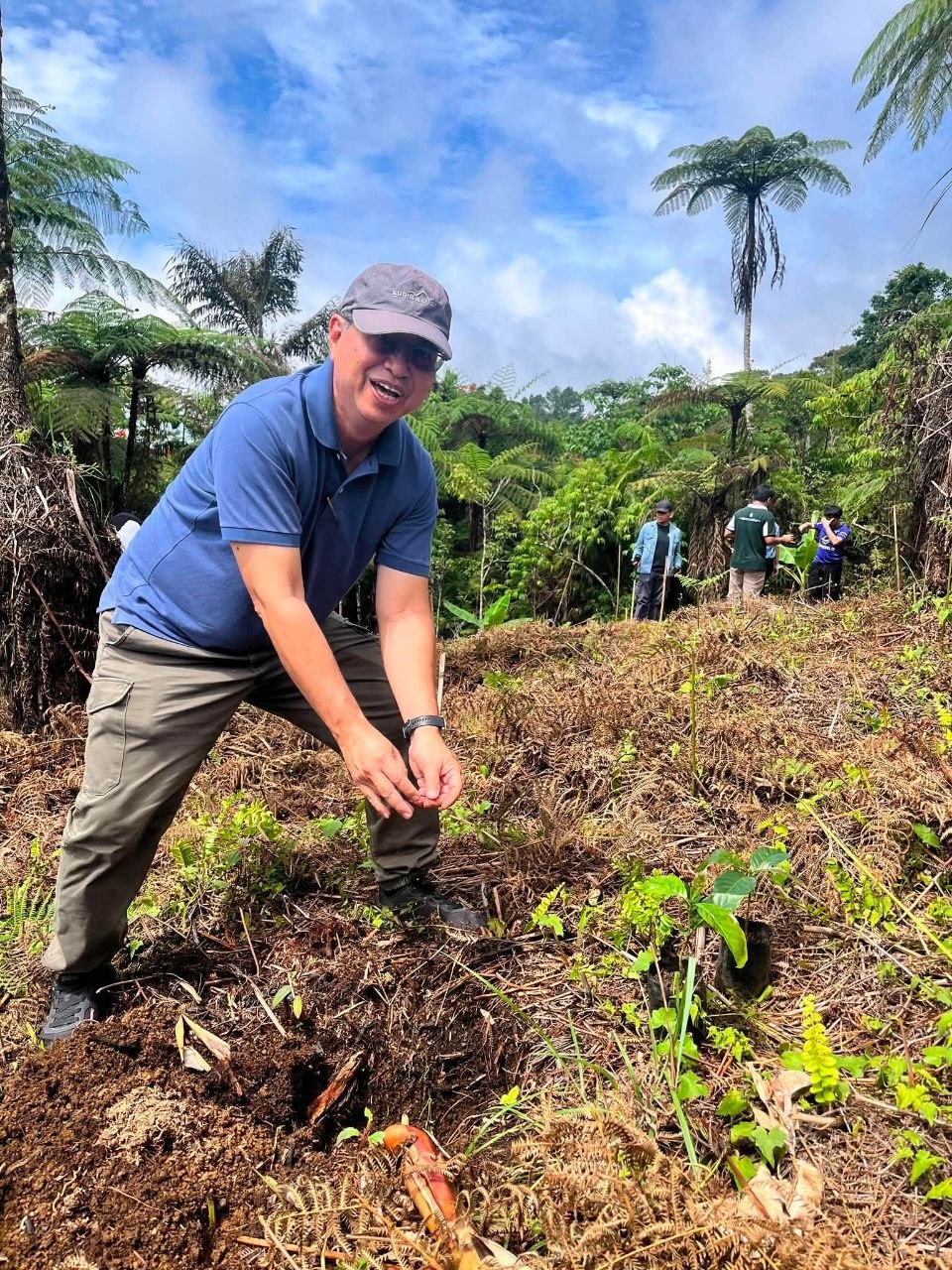
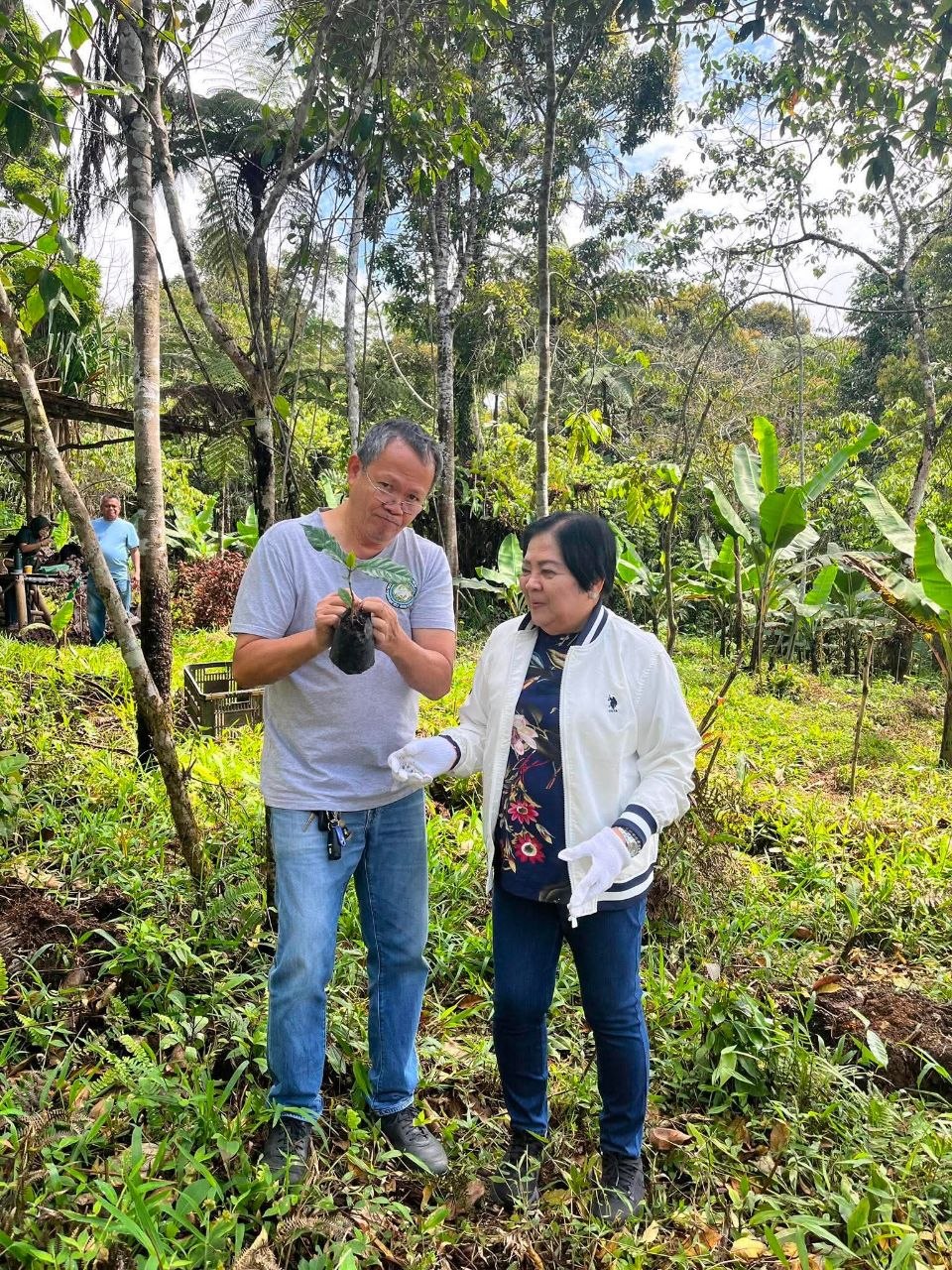
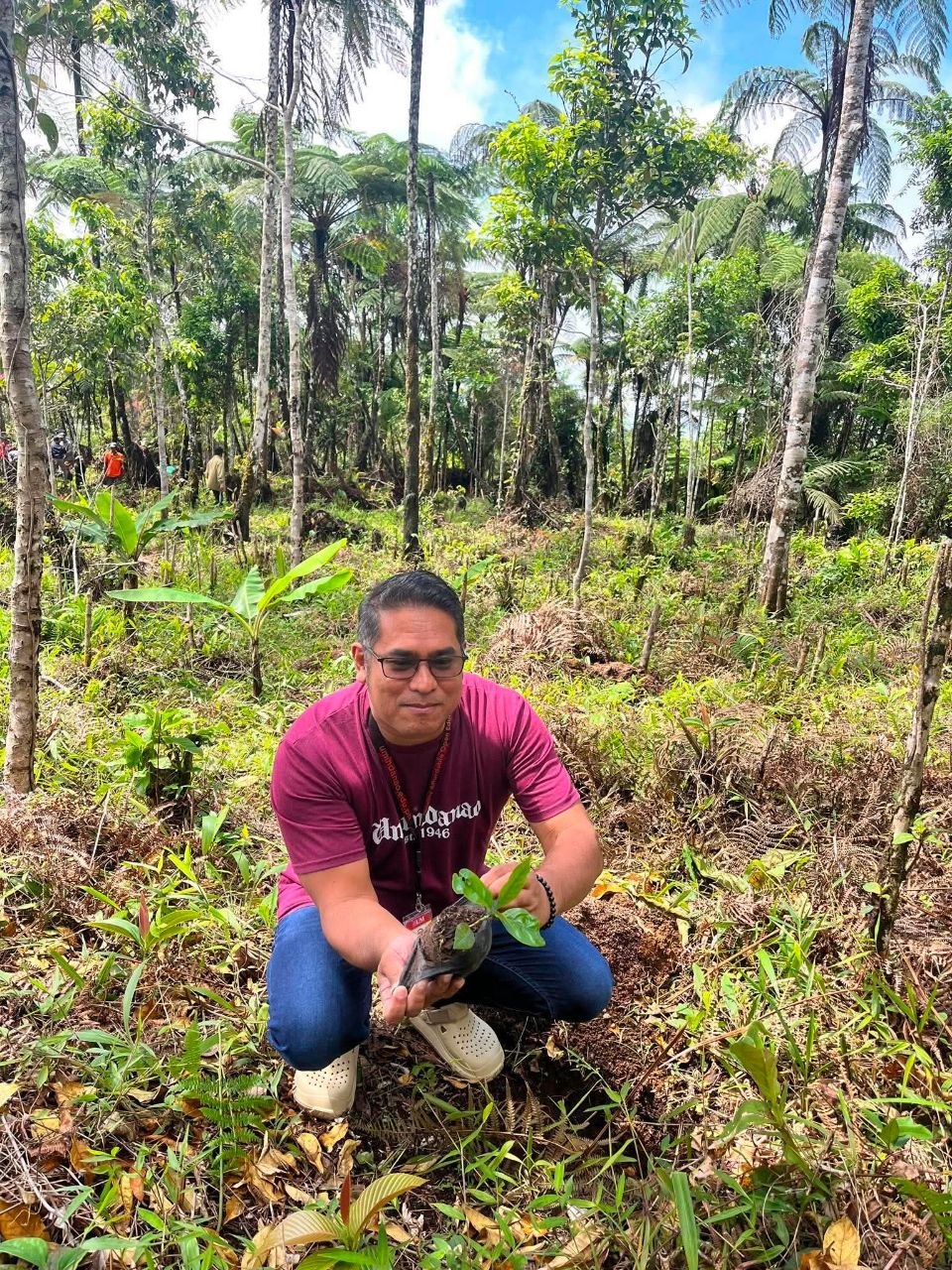
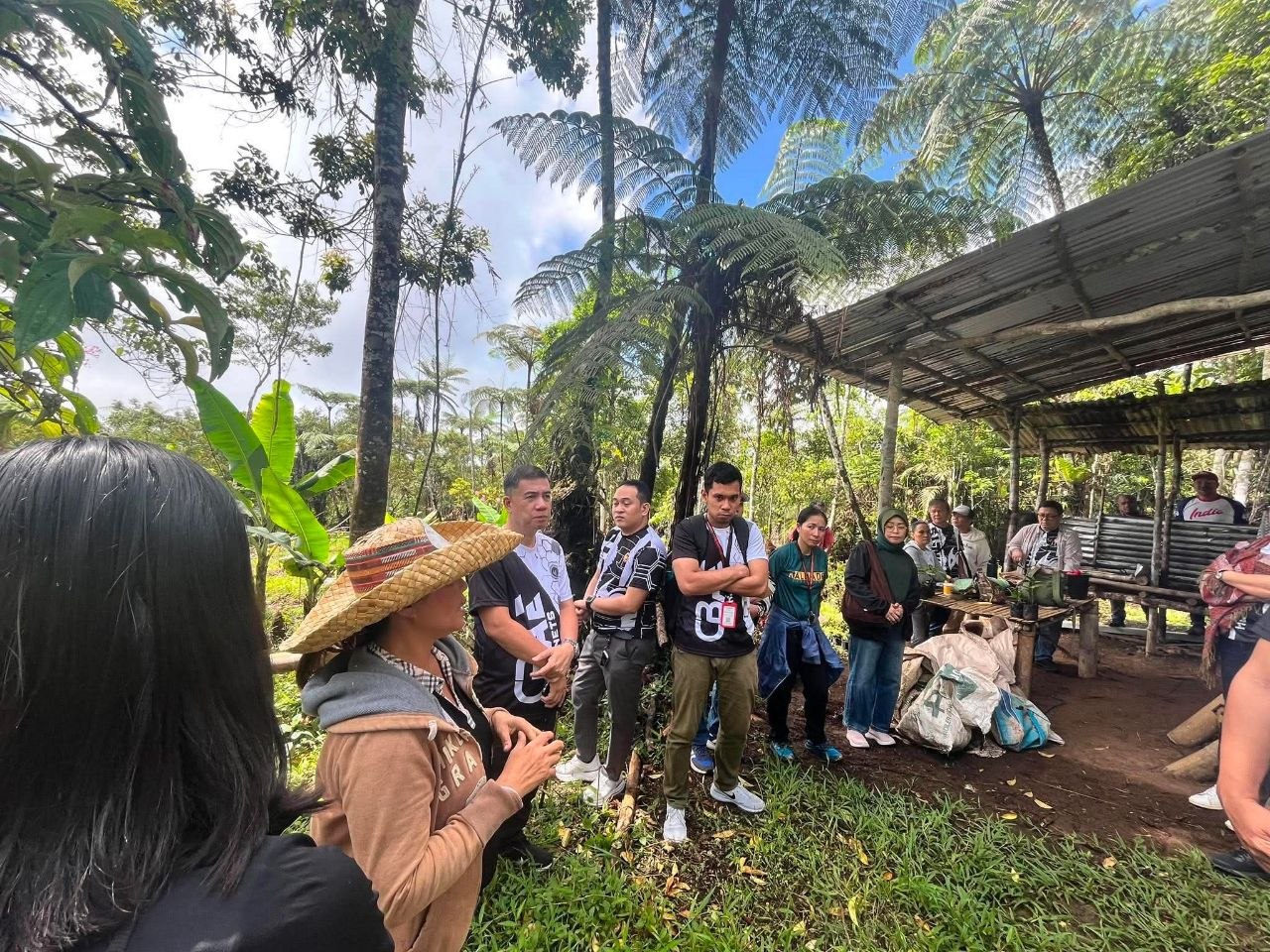
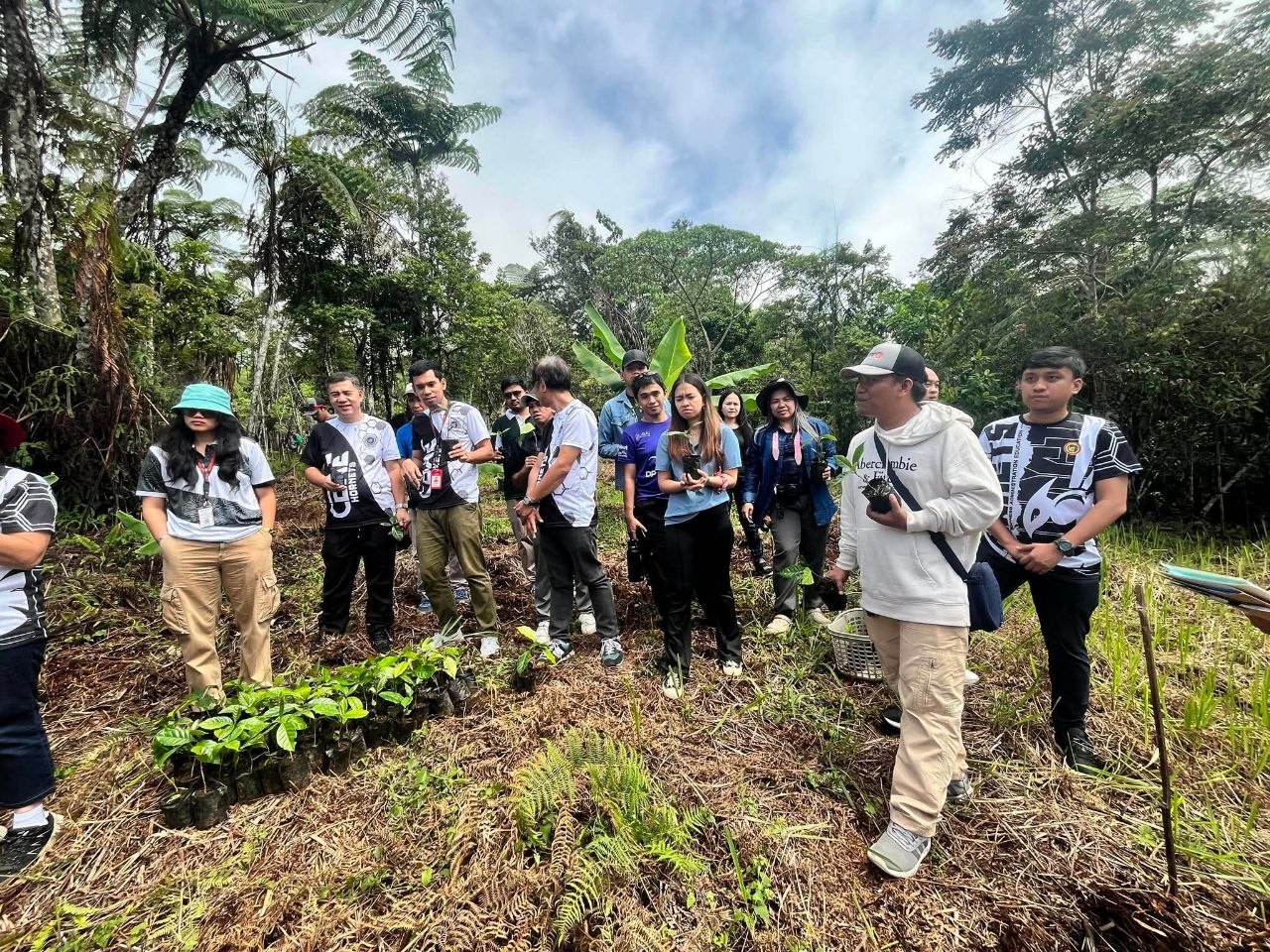
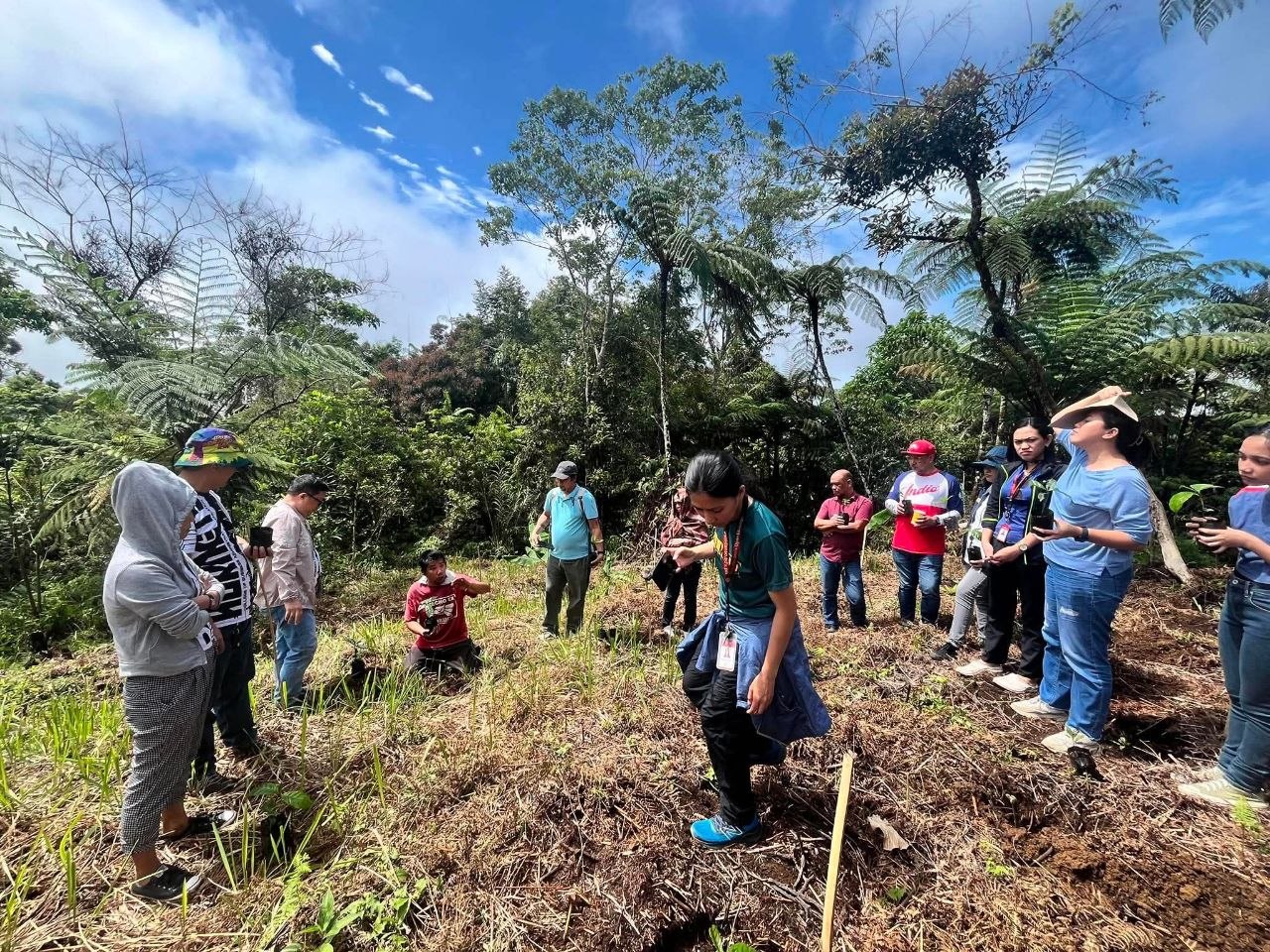
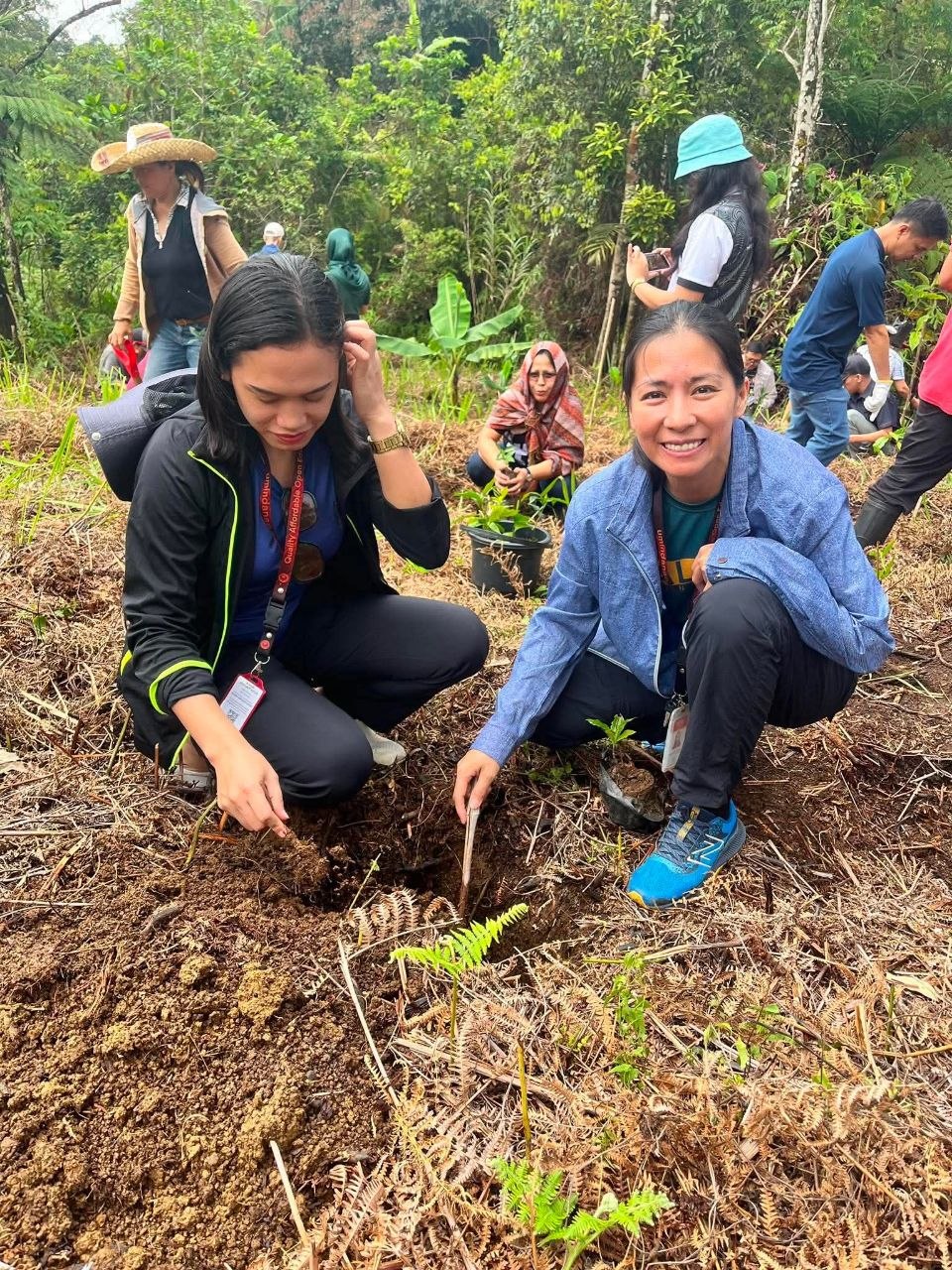
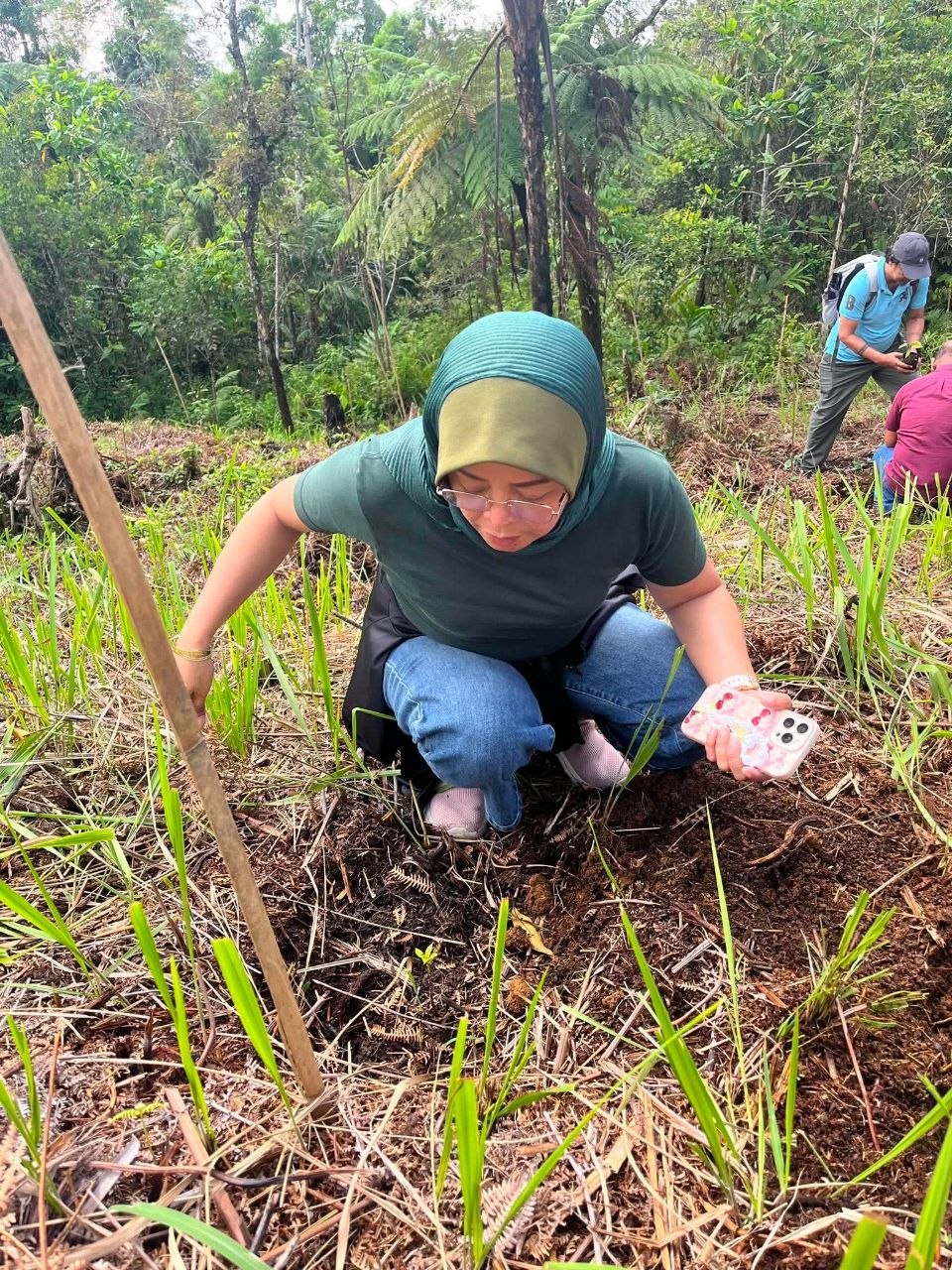
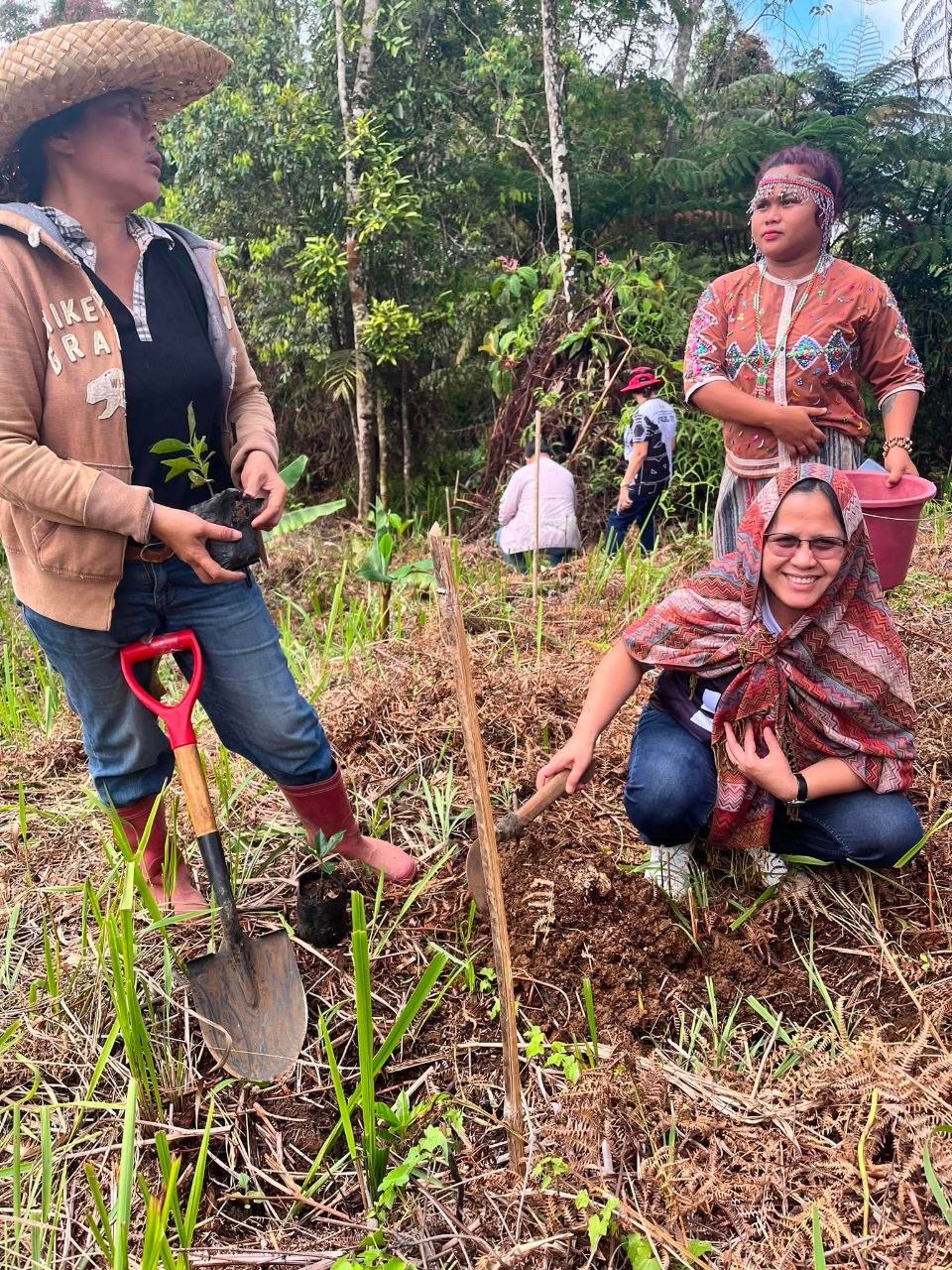
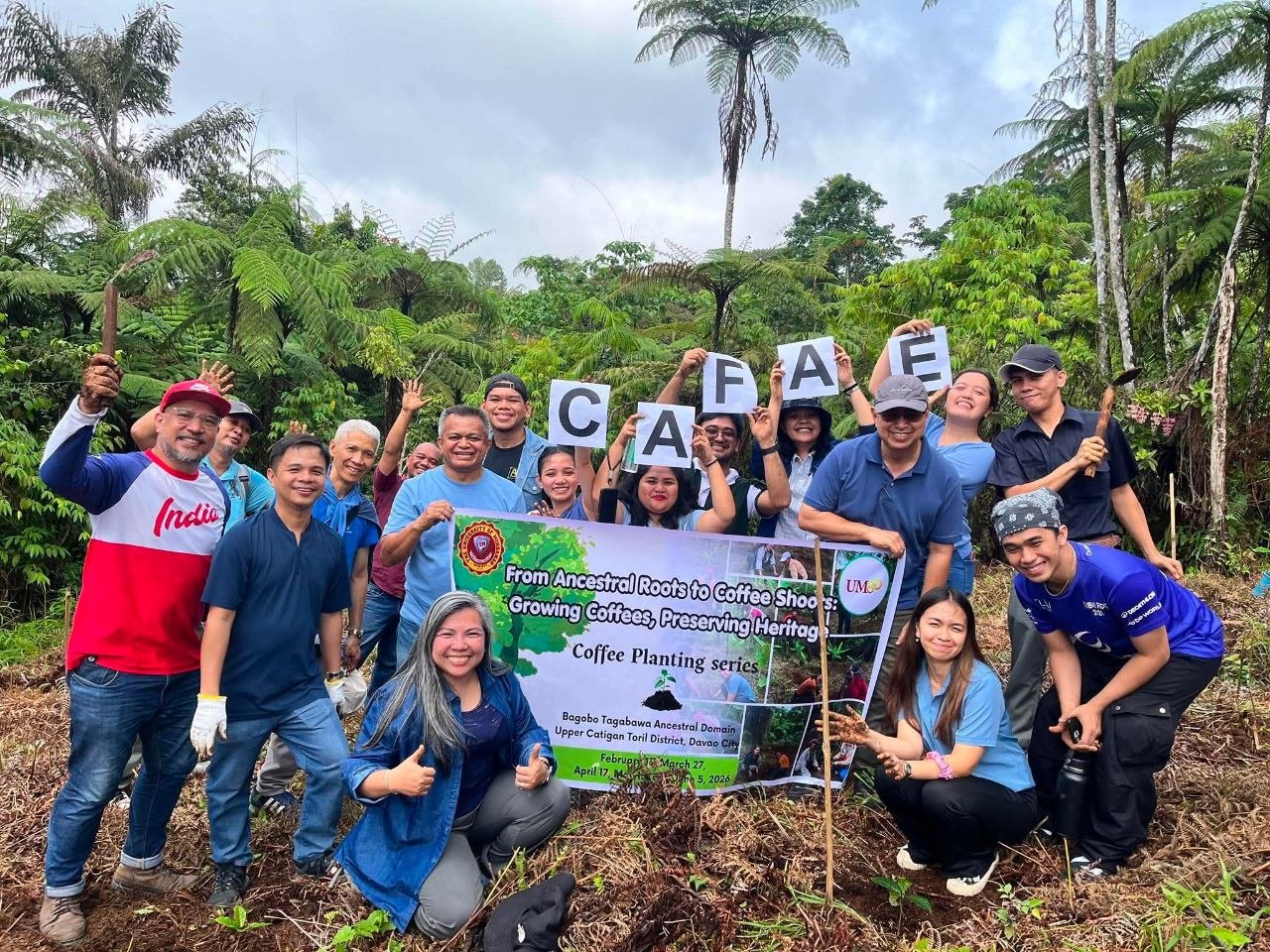
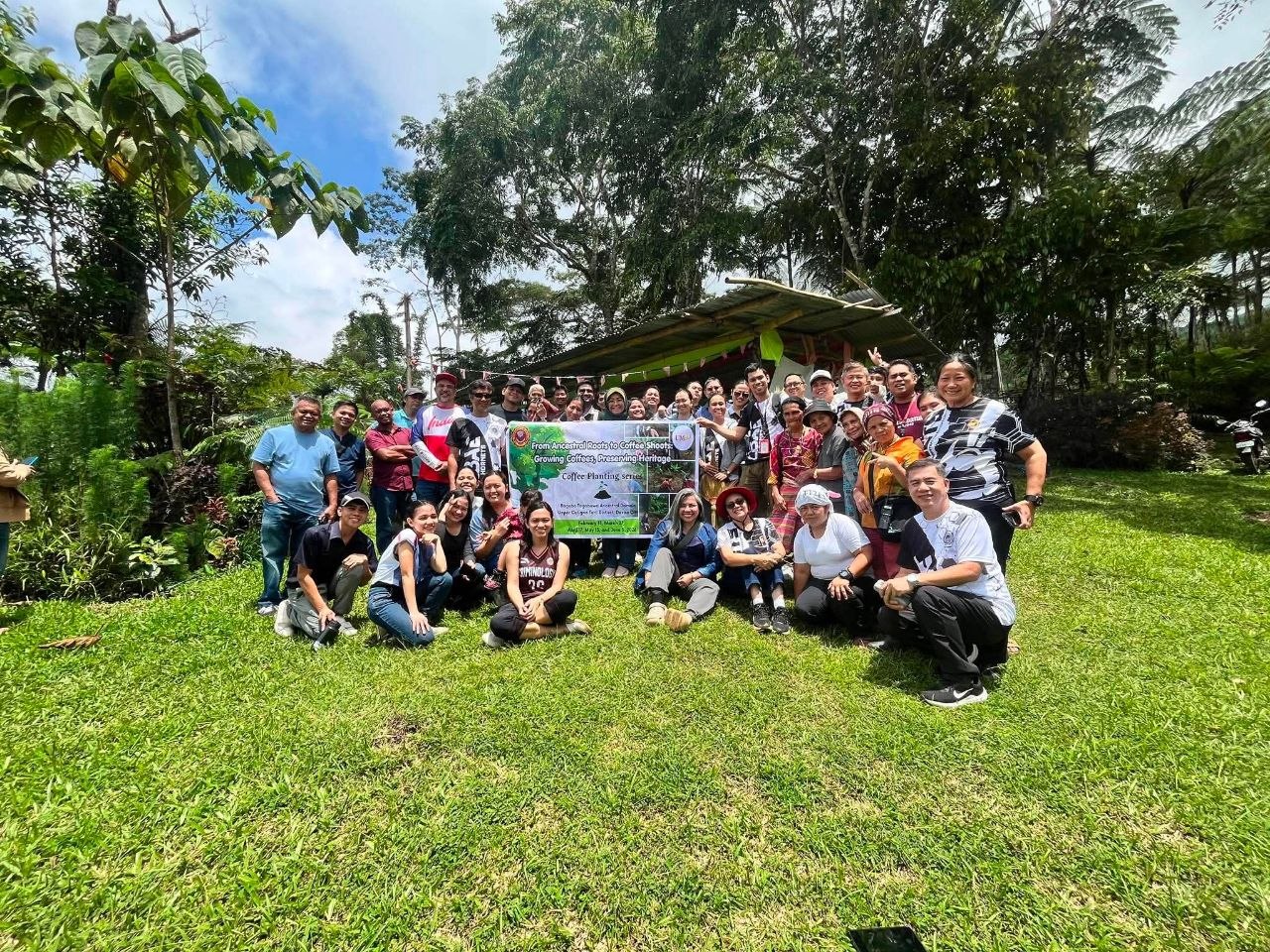
The University of Mindanao Community Extension Center successfully conducted the fourth wave of its Coffee Planting Series entitled “From Ancestral Roots to Coffee Shoots: Growing Coffees, Preserving Heritage” earlier today at the Ancestral Domain Land in Catigan, Toril, Davao City. Bringing together a collective force of compassion and volunteerism, the activity engaged 45 UM personnel from various offices and departments, including the Community Extension Center (CEC), Records and Admission Center (RAC), Instructional Media Services (IMS), College of Business Administration Education (CBAE), College of Architecture and Fine Arts Education (CAFAE), and the National Service Training Program (NSTP).
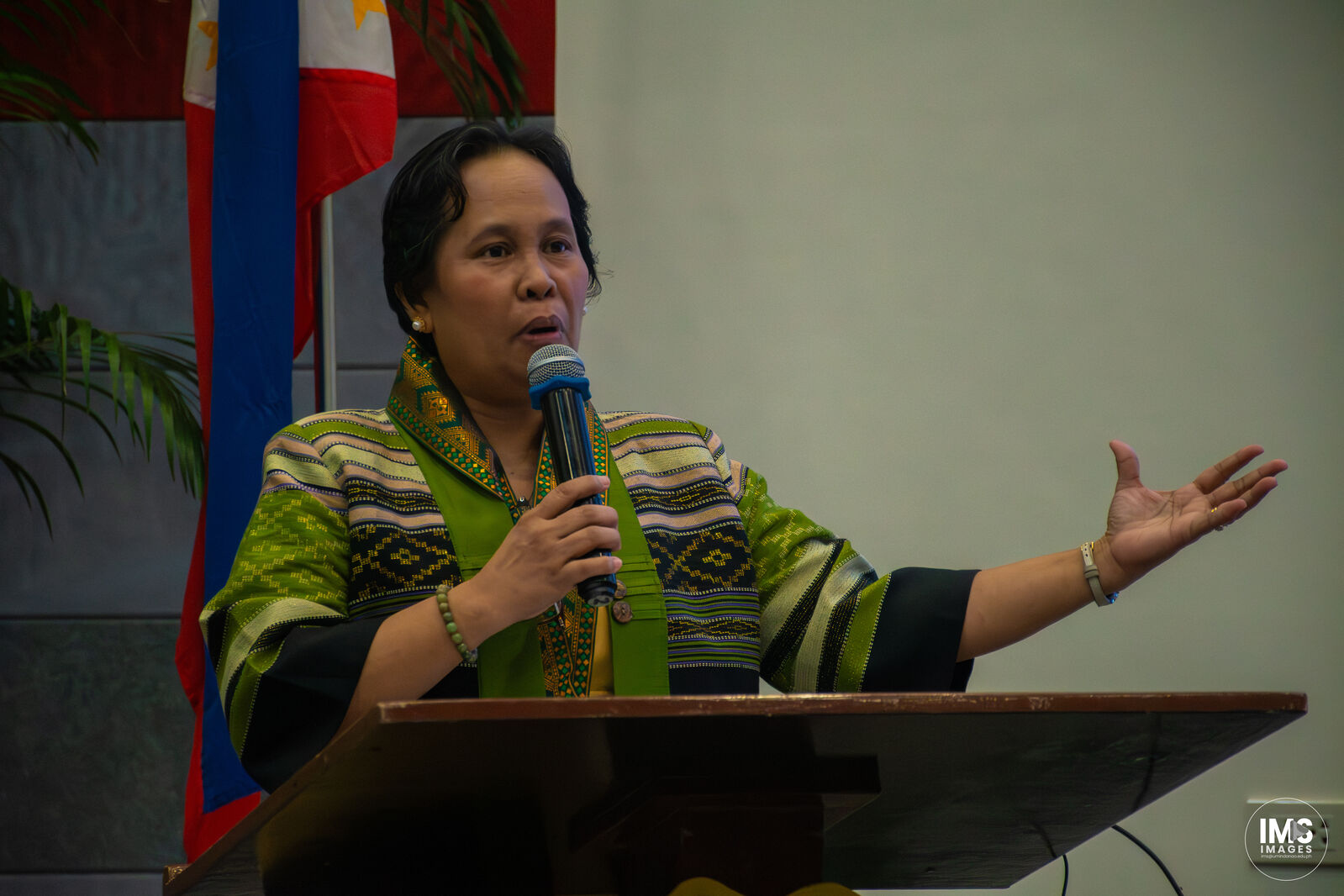
The activity commenced with a warm welcome from Tribal Representative Secretary Annalyn Shimabukuro, followed by an orientation and technical briefing conducted by the community coffee technician, Mr. Ernie Noval, to ensure proper planting methods were observed. Thereafter, guided by the shared vision of environmental stewardship and cultural preservation, the participants successfully planted 274 coffee seedlings across the ancestral domain.
Moreover, the activity highlighted the University’s continued commitment to environmental sustainability, cultural preservation, and community-based livelihood development in partnership with the Bagobo Tagabawa Tribe community. The Coffee Planting Project supports IP farmers by promoting coffee farming as a sustainable source of livelihood while helping preserve the cultural heritage and ecological richness of their ancestral domain.
Beyond its economic value, coffee plantation contributes significantly to environmental and ecological conservation. Through the agroforestry system, coffee farming helps prevent soil erosion, improve soil fertility, and conserve biodiversity by allowing native trees and wildlife to thrive. Consequently, the project supports forest conservation, soil protection, and biodiversity restoration, aligning with Sustainable Development Goal (SDG) 15. At the same time, it promotes sustainable livelihood and income generation for the Bagobo Tagabawa Tribe community (SDG 1) while strengthening local food systems and empowering smallholder IP farmers (SDG 2).
More than a tree-planting activity, the program served as a meaningful reminder that coffee farming is deeply intertwined with culture, identity, and resilience. Indeed, each coffee seedling planted symbolized hope for a greener future, stronger community partnerships, and a deeper appreciation of the traditions and stories rooted within the ancestral land. By nurturing the soil today, the University of Mindanao community continues to contribute to preserving indigenous heritage while ensuring sustainable development for future generations.
Share this article

.png)
.png)