.jpg)
ECoAST: Enhancing Community-Based Mangrove Forest Management Approach and Sustainable Technologies
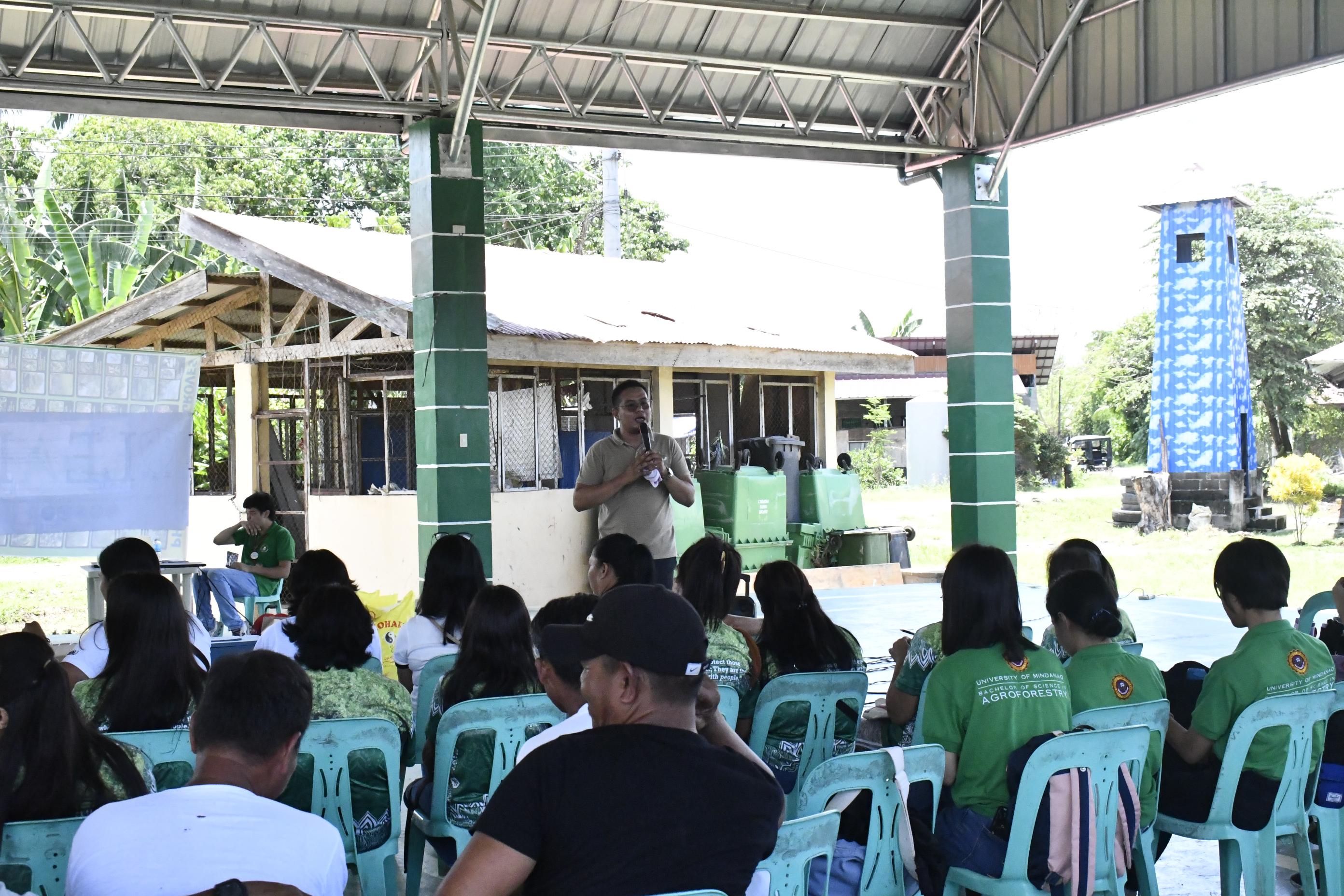
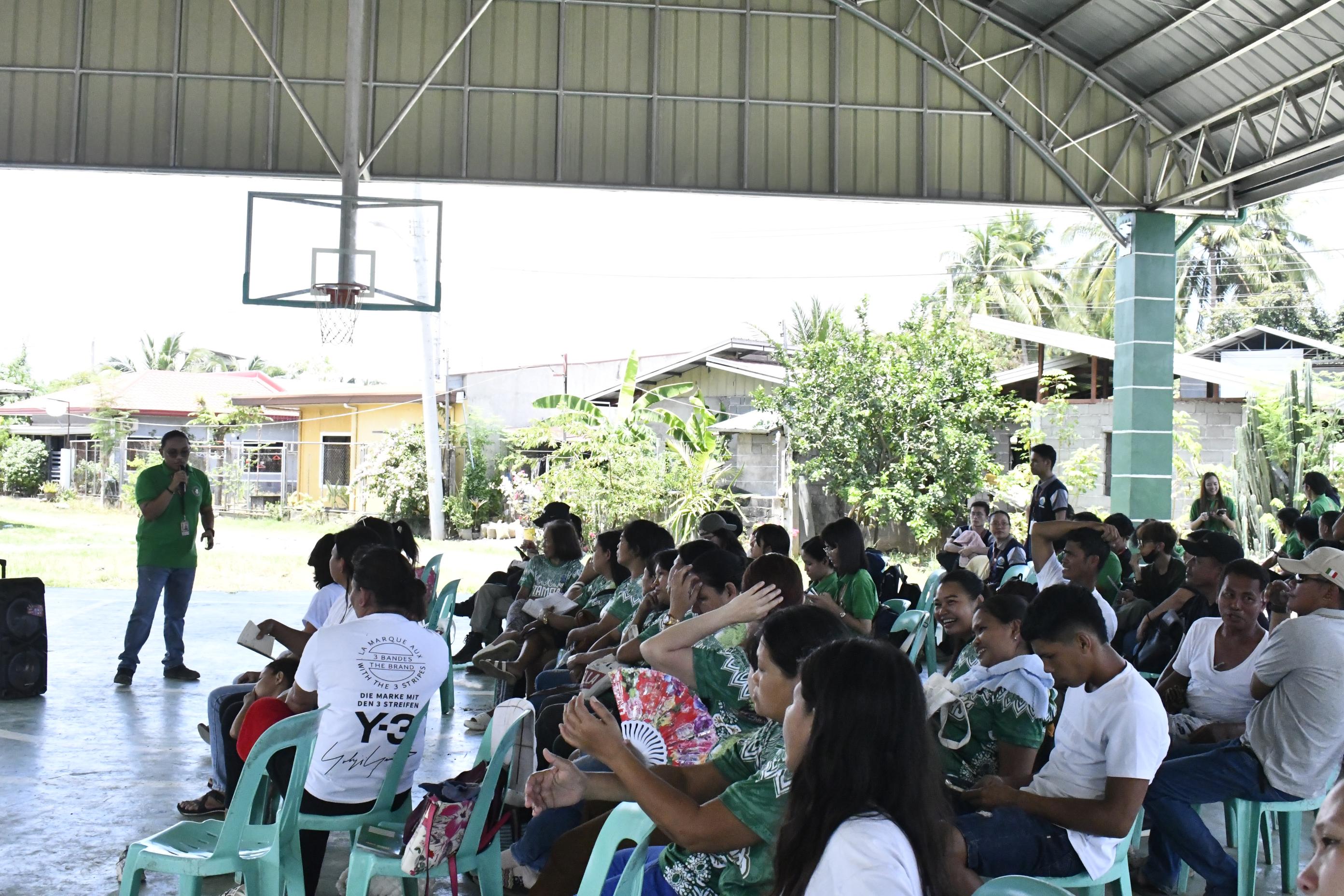
The Environmental Studies Department (ESD) under the College of Arts and Sciences Education successfully implemented their banner project entitled "Enhancing the Lives of Barangay Lasang: Community-Based Mangrove Forest Management Approach and Sustainable Technologies (ECoAST)." Held last May 13, 2026, at the Bucana Covered Court, the program aimed to bridge academic expertise and grassroots environmental action. The primary objectives were to raise awareness of climate resilience, provide expert-led training on mangrove conservation and sustainable crab production, conduct hands-on shoreline restoration, and strengthen university-community partnerships to promote long-term coastal resource management.
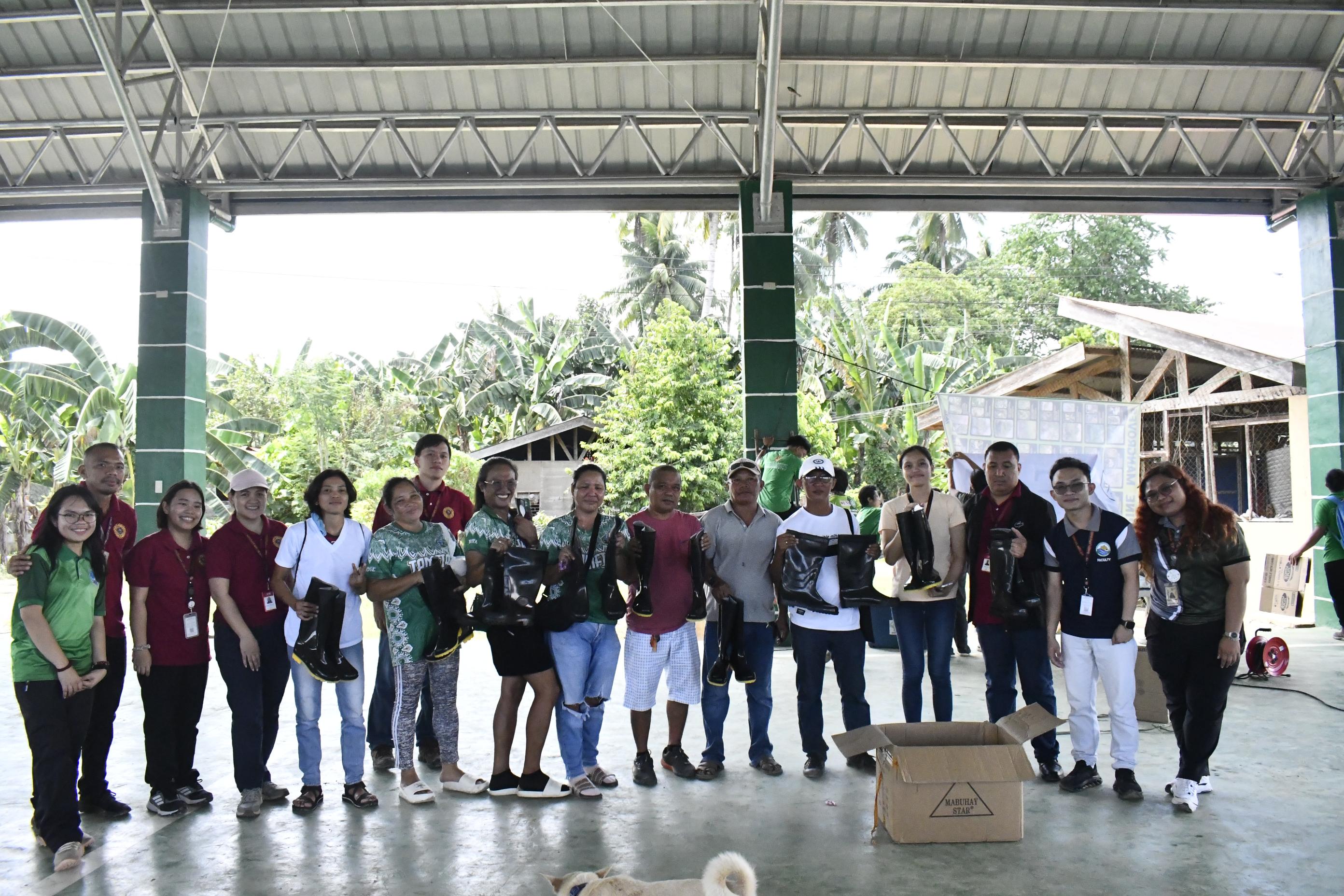
The project was attended by thirty-five (35) members of Tambongon Fisherfolks Association (TAMFIAS), a local organization led by its President, Mr. Procopio Legaspi Jr., with the active support of their Barangay Captain Alan Simoag. The outreach was also strongly supported by a dedicated volunteer force consisting of forty-six (46) student volunteers alongside eight (8) ESD faculty members and staff.
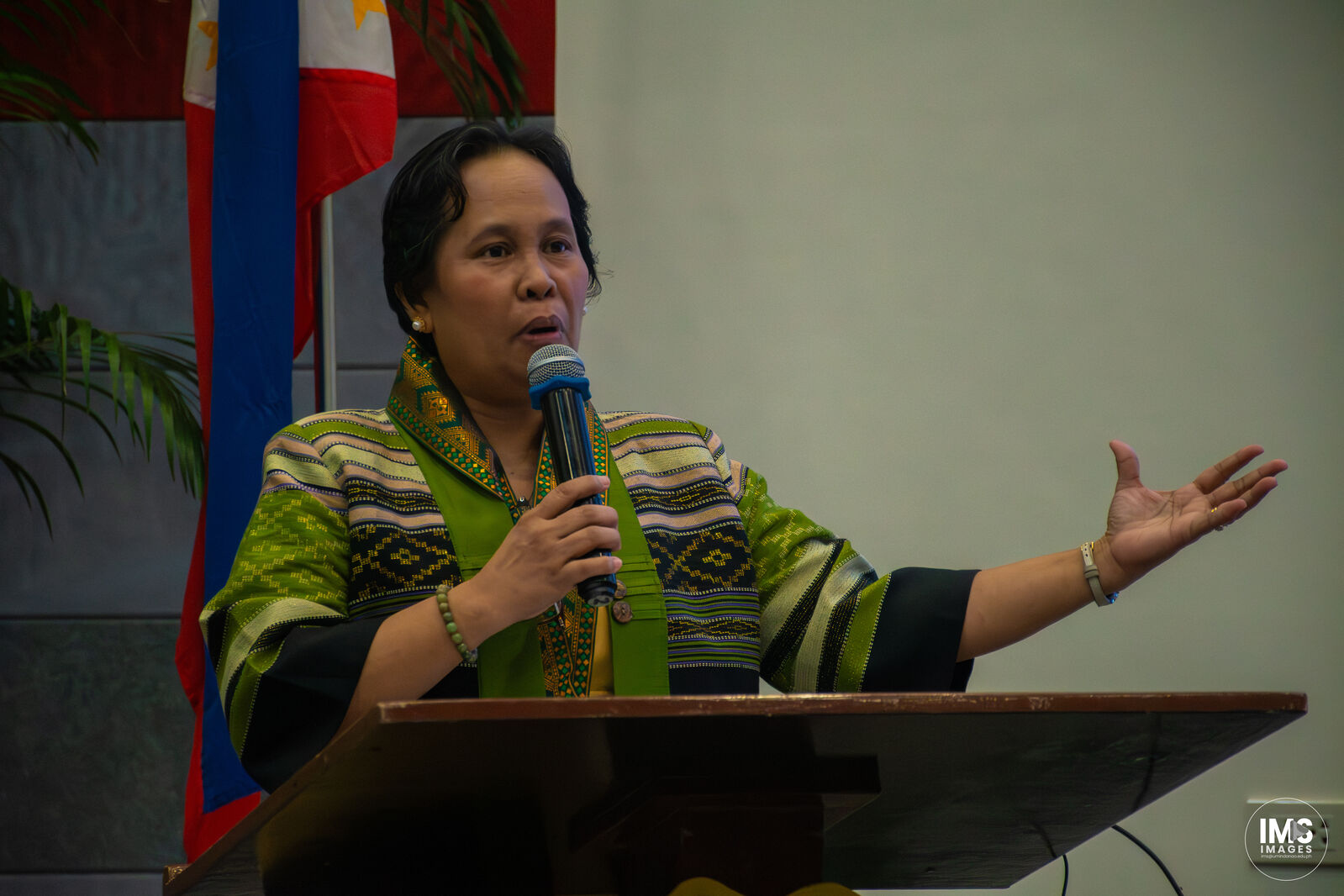
The event's structured flow systematically combined classroom knowledge with field-based execution. The morning session featured a technical lecture by guest speaker Mr. Jayson Rey A. Bayubay of the Bureau of Fisheries and Aquatic Resources (BFAR) on sustainable crab production. Guided by the principles of UN SDG 1 on No Poverty, 13 on Climate Action, and 14 on Life below Water, the session equipped community members with knowledge and skills to improve local livelihoods in environmentally sound ways that do not harm the coastal ecosystem. This was paired with peer-to-peer student lectures by Ms. Princess Lhykha Larios and Mr. Jediah Jeiel Sarillana regarding mangrove identification, characteristics, and ecological benefits.
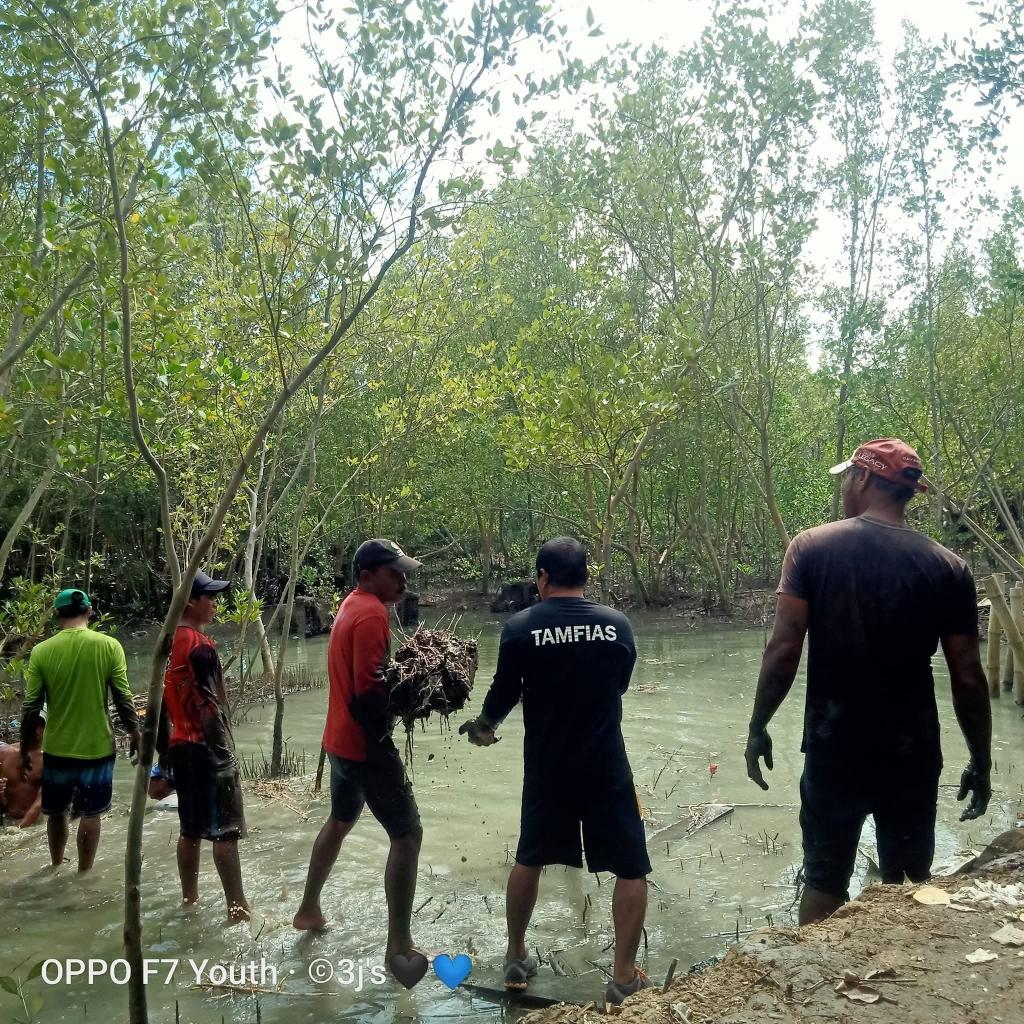
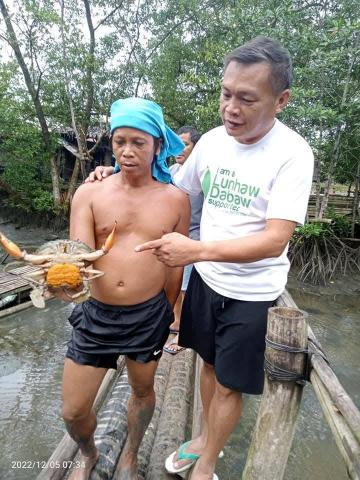
Following an interactive open forum and a shared lunch break to build community bonds, the afternoon transitioned into field operations where volunteers and fisherfolk simultaneously accomplished the environmental cleanup and coastal tree-planting goals. The activity ended with resounding appreciation and satisfaction from the participants, who were very thankful for the additional learning they gained, especially on crab fattening and the different characteristics of mangrove species.
Share this article

.png)
.png)